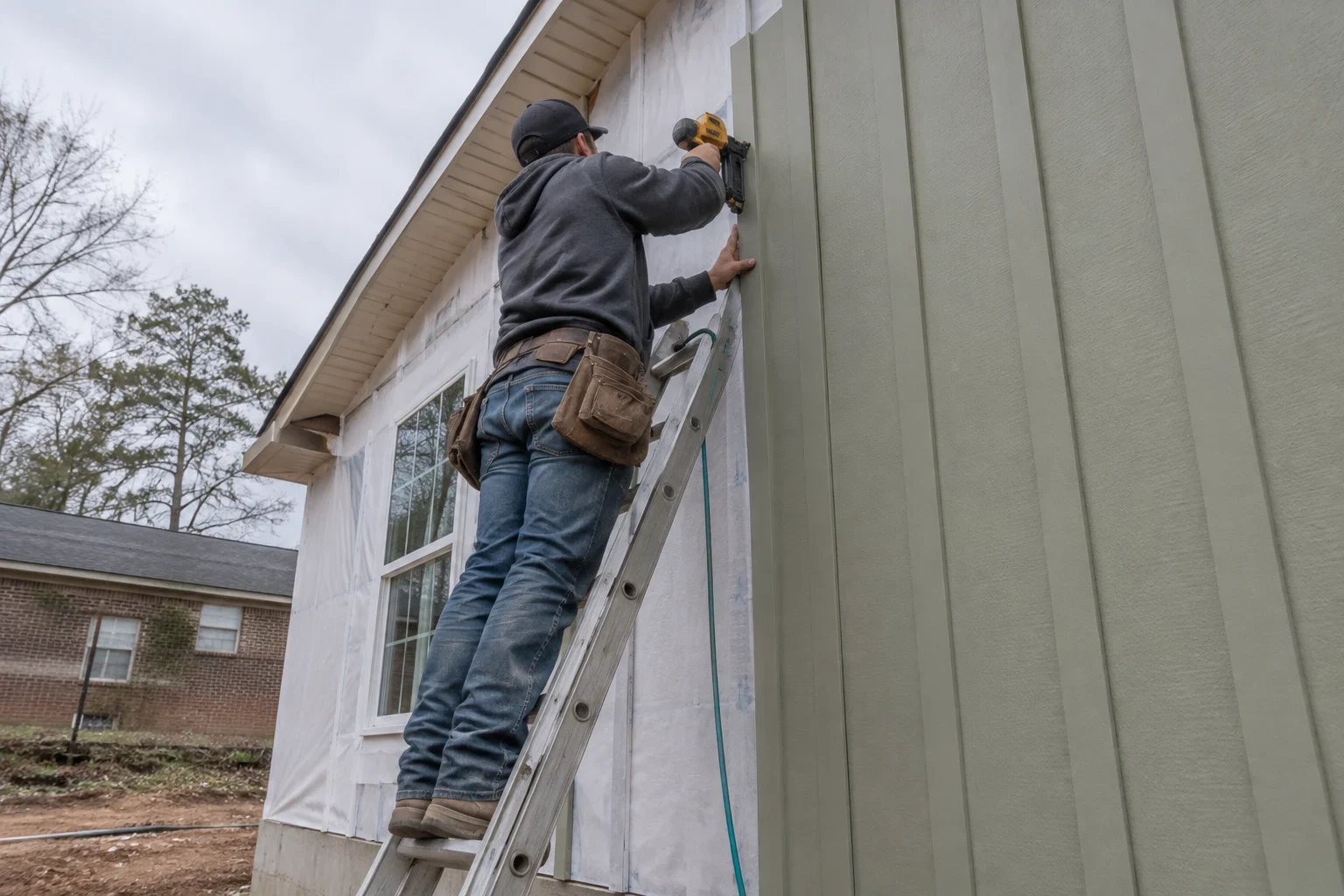
ServicesSiding Installation
Siding Installation in Gastonia
When wind, hail or a falling limb tears up your siding, the wall behind it is exposed. We check what's underneath, fix the wet or soft spots and put up new siding that sheds water the way it should. Then you know what you paid for.
Siding Work That Starts at the Wall
Think of siding as the outer layer of the house. It keeps rain away from the sheathing and framing. When a panel cracks or comes loose, water slips in behind it, and that damage usually can't be seen from the ground.
Our siding installation covers whole-house replacements, storm repairs and additions that have to match the existing walls, in both vinyl and fiber cement. Before new panels go on, we inspect the house wrap, the flashing at windows and doors, and the sheathing. New siding over rot just hides the problem for a while.
After a storm, move quickly but don't hurry the job. Secure the loose pieces, take photos, then plan the work the right way. We can help with every one of those steps.
What You Get With the Job
- 01
Removal and cleanup
Old siding comes off down to the sheathing, we sweep up nails with magnets, and all the debris leaves your property with us.
- 02
Sheathing inspection and repair
With the wall exposed, we test for soft or stained areas. You see photos of what turns up, and damaged sections get replaced before work continues.
- 03
Weather barrier and flashing
We put on new weather barrier with overlapping seams. Windows, doors and the joints where roof meets wall get new flashing, since that's where leaks usually begin.
- 04
Panels, trim and finishing pieces
Panels, corners, J-channel, soffit and trim all go up. Vinyl is hung with room to expand in summer heat, and fiber cement is nailed and caulked per the manufacturer's directions.
- 05
Matching on smaller repairs
If only a wall or two took damage, we look for the same profile and color. When an exact match can't be found, we say so at the start and walk you through the choices.
Questions about Siding Installation?
Call(704) 486-2183Signs Your Siding Needs Work
Cracked or holed panels after hail
Hail can punch holes in vinyl or crack it, especially older vinyl that has gone brittle. Even small holes let water reach the wall.
Pieces blown off or hanging loose
High wind gets under a loose edge and peels panels back. Get them secured fast, then have the wall behind them looked at.
Warping or bulging
Wavy siding often means it was nailed too tight or that the sheathing behind it is swelling from moisture.
Soft spots or stains inside
Peeling paint, damp drywall or a musty smell on an outside wall can point to water getting past the siding.
Faded, chalky or split boards
Years of sun wear siding out. Once boards split or the color chalks off on your hand, replacement usually costs less than chasing repairs.
How a Siding Job Runs
- 1
Consultation by phone
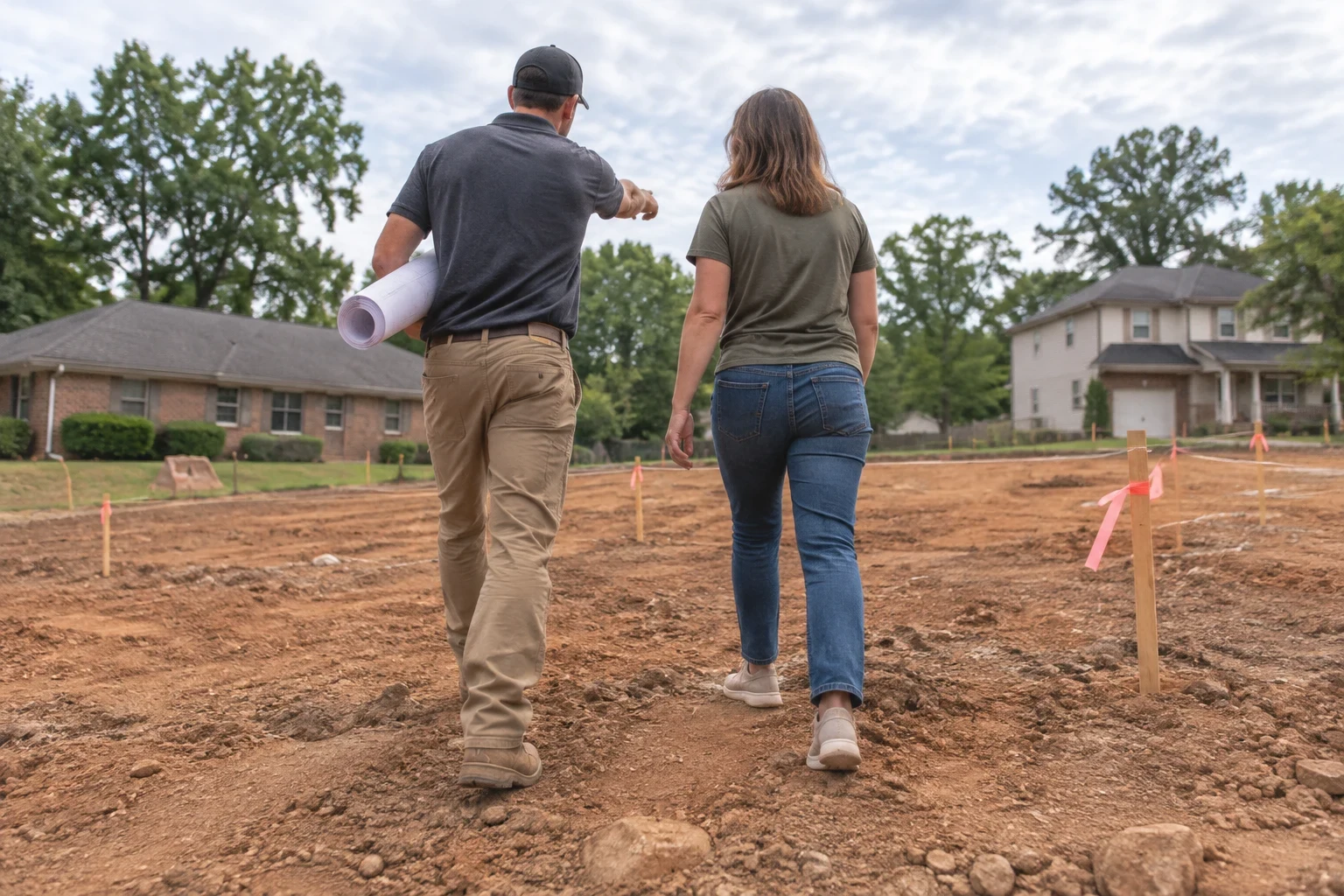
You call and tell us what happened and what you're seeing. We set a time to come out and look at the house in person.
- 2
Walk-around and written estimate
We inspect every wall, take photos and write up a line-item estimate. If you're working with your insurance company, we explain what the adjuster will likely look at. Your adjuster still makes the decisions.
- 3
Prep and protection
We move outdoor furniture, cover plants and set tarps along the foundation to catch debris. You'll know which sides of the house we're working on each day.
- 4
Install, one wall at a time
We tear off and re-side one section before opening the next, so the house is never left wide open overnight. Sheathing repairs happen as we find them, after you've seen the photos.
- 5
Cleanup and final walk
We sweep the yard for nails, haul off the scraps and walk the house with you to check every corner and seam.
What Sets the Price
No two houses are alike, so we price after seeing yours. The biggest question mark is usually what sits behind the old siding, which is why each part of the work gets its own line on the estimate.
- How much wall and how tall
- Bigger walls take more material and labor. Two-story walls and steep gables call for staging or lifts, which adds time.
- Vinyl or fiber cement
- The two differ in price, weight and install time. Fiber cement also has to be painted unless you buy it prefinished.
- State of the sheathing
- Any rotted or water-damaged sheathing must be replaced before new siding goes up. The amount isn't known until the old siding is off, so you see what we find before we do the repair.
- Openings and trim details
- Each window and door needs flashing and trim. Houses with many openings or fancy corners take longer than simple ones.
- One wall or the whole house
- Matching a single damaged wall can take more care than residing everything, more so when the old profile is hard to track down.
Siding Questions We Hear Often
Can you replace just the damaged side of my house?
Often, yes. We look for the same profile and color first. Siding fades, so even a match from the same maker can look a shade different next to old panels. We'll show you a sample against your wall before you decide.
Should I wait for my insurance adjuster before calling you?
No need to wait to talk. We can secure loose pieces and take photos so you have a record of the damage. Our written estimate can go to your adjuster too. The insurance company decides what it covers, and we'll explain the process in plain terms.
Vinyl or fiber cement, which is better?
Vinyl is lighter, quicker to install and needs very little upkeep. Fiber cement is heavier and stiffer, holds up well to hail and wind, and takes paint. We'll tell you which fits your house and budget, not just which one costs more.
How long does a siding job take?
A typical one-story house often takes a few working days. Bigger houses, two-story walls and a lot of sheathing repair add time. Rain can push the schedule, because we don't leave a wall open in wet weather.
Will you match new siding on an addition?
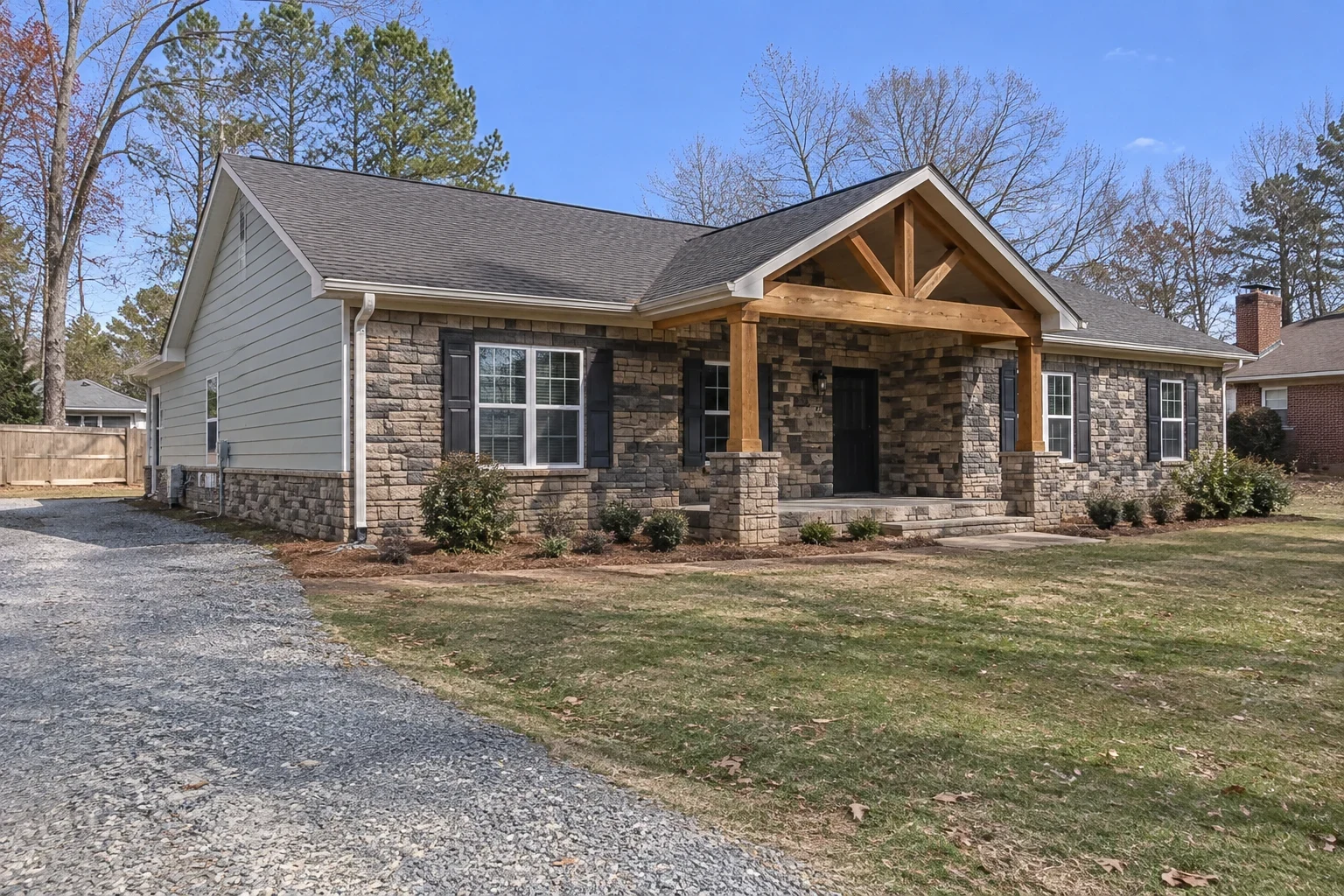
Yes. If you're adding a room through our home remodeling work, we plan the siding so the new wall lines up with the old courses and trim. That's why the addition doesn't look tacked on.
Get Your Siding Looked At
Tell us what the storm did or what you've noticed on your walls. We'll come out, show you what's going on and write it all down.